Andrea Pilar
“We’d like to think of wine as something alive, authentic and spontaneous that encapsulates the story of the grapes and the land they come from. This is why we intervene in the process as little as possible, preferring small artisanal uncertainty to more precise winemaking processes.”
Andrea Pilar vineyards are well rooted in Umbria – but not the one we imagine – within reach of Tuscan winds. The picture-perfect hills of other areas, plastered all over postcards, here give way to rugged, wild and steep inclines, where valleys, streams, fields and vineyards punctuate thick forests, allowing us to catch a glimpse, here and there, of beautiful villages and ancient castles.
Welcome to Alta Umbria, where the colour green is darker and more intense, marking a discontinuity that only further underlines the area’s strong identity. The River Niccone flows alongside the vineyards, while peaks lead to an airy climate that lends the wines intoxicating notes and authentic flavours.
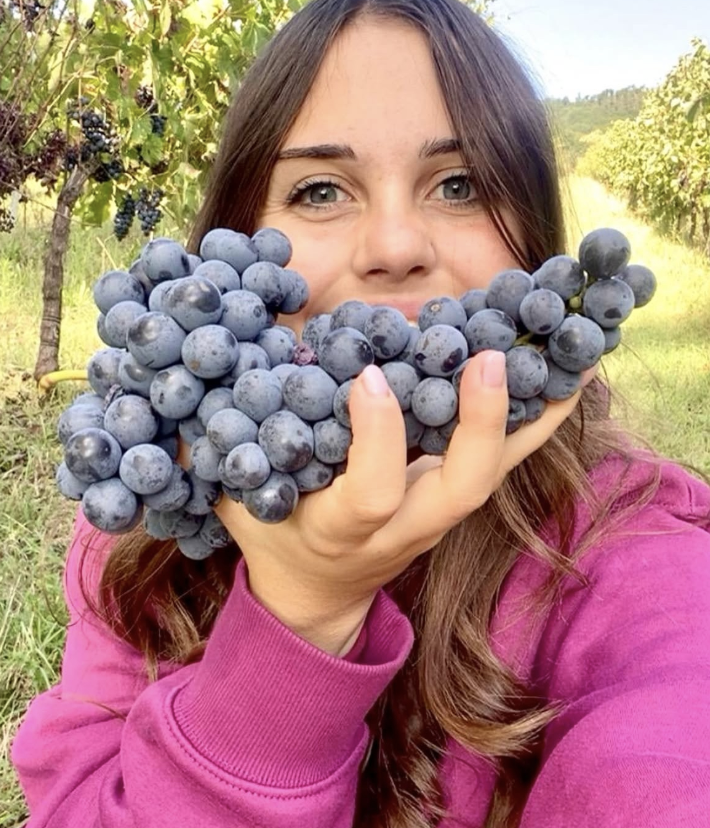
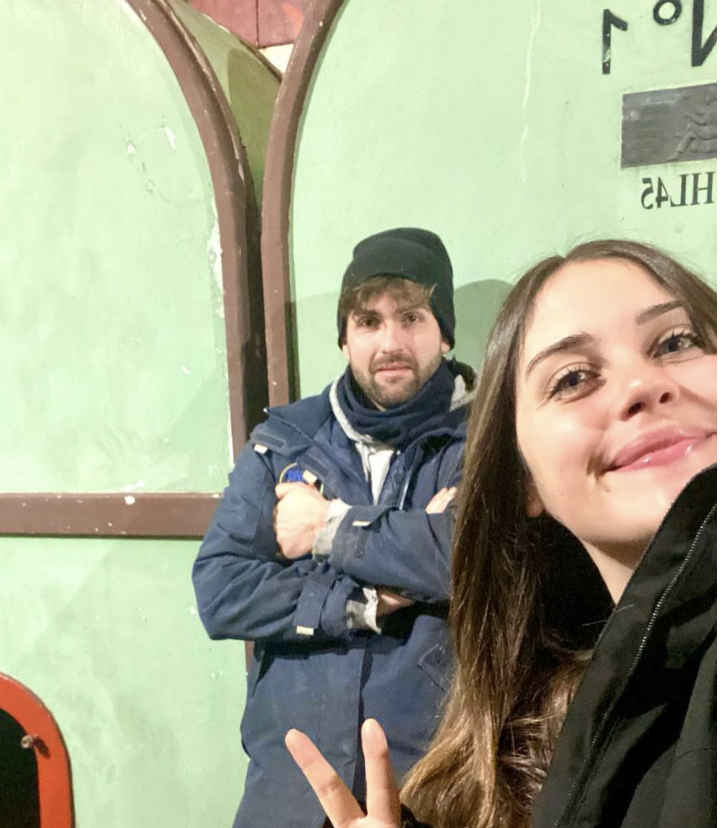
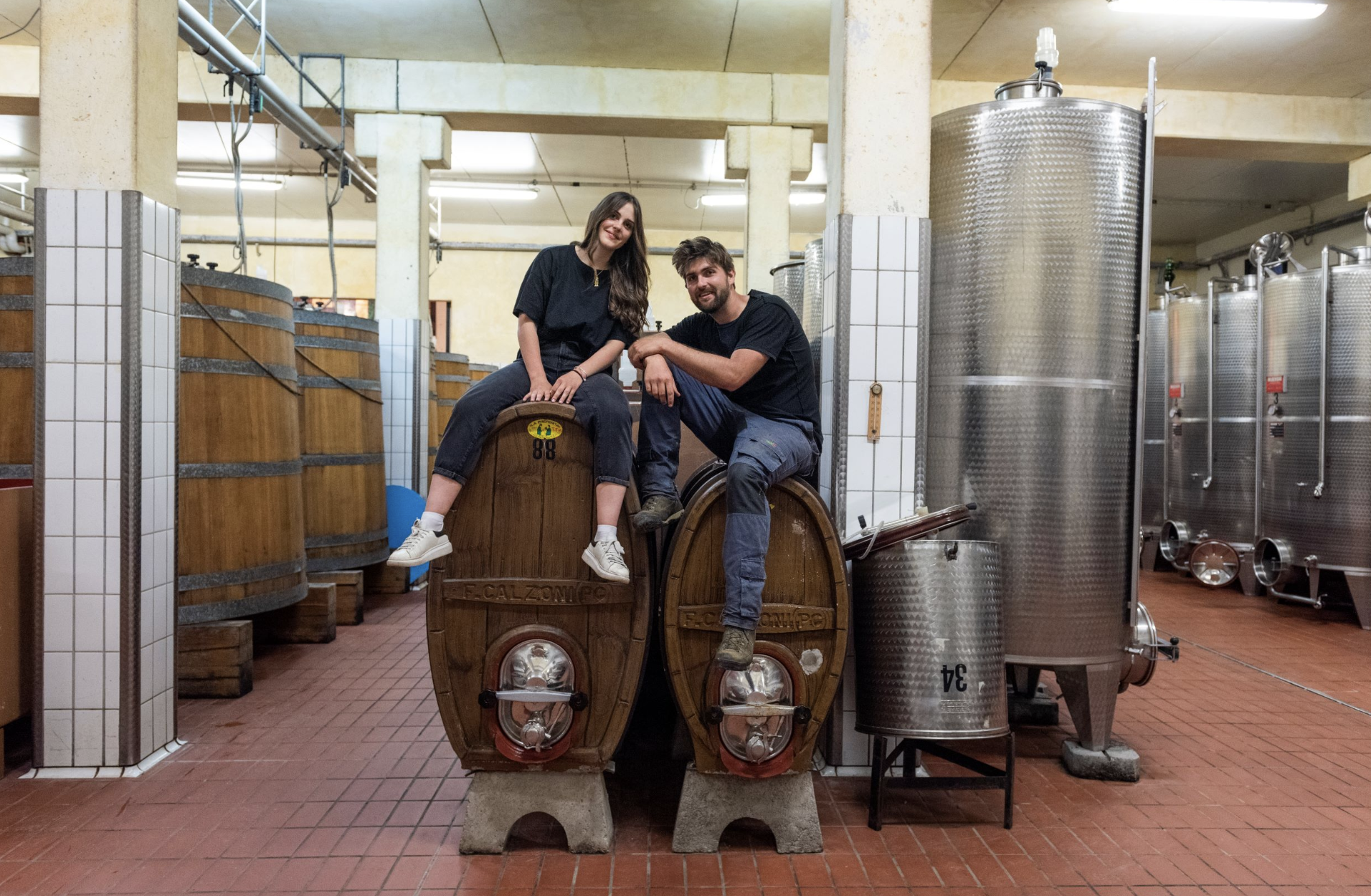
Andrea and Pilar, brother and sister, represent the next generation of the Gritti family. Following their studies and travels around the world, the two began their journey in the family business, deciding quickly to launch an original project, allowing them to invest their passion, skills and love for wine.
Starting with some of the best vines from I Girasoli di Sant’Andrea and a clear, pure and radical philosophy, the siblings created new wines – and more interestingly – a new business idea. The conventional management of the company’s origins no longer exists: Andrea and Pilar have embraced clean agriculture and viticulture that is attentive to the well-being of the environment and the health of its fruits, fundamental grounds for artisanal wines that respect their land.
The body of the vineyards is divided into various parcels, basically classified into three groups, based on age and position. The oldest vines date back to 1998 and are in full production. The altitudes range from 250 to 400 meters.
The highest and most ventilated hilly peaks are dedicated to Pinot Noir. Other reference varieties are linked to the oldest tradition, as in the case of Sangiovese, Malvasia Nera, Ciliegiolo and Montepulciano, or to the more recent one, starting with Syrah (Cortona is just a stone’s throw away). Among the whites, Grechetto, Malvasia Bianca and Friuliano stand out, recalling how the area was frequented, in the post-war period, by various farmers from the north.
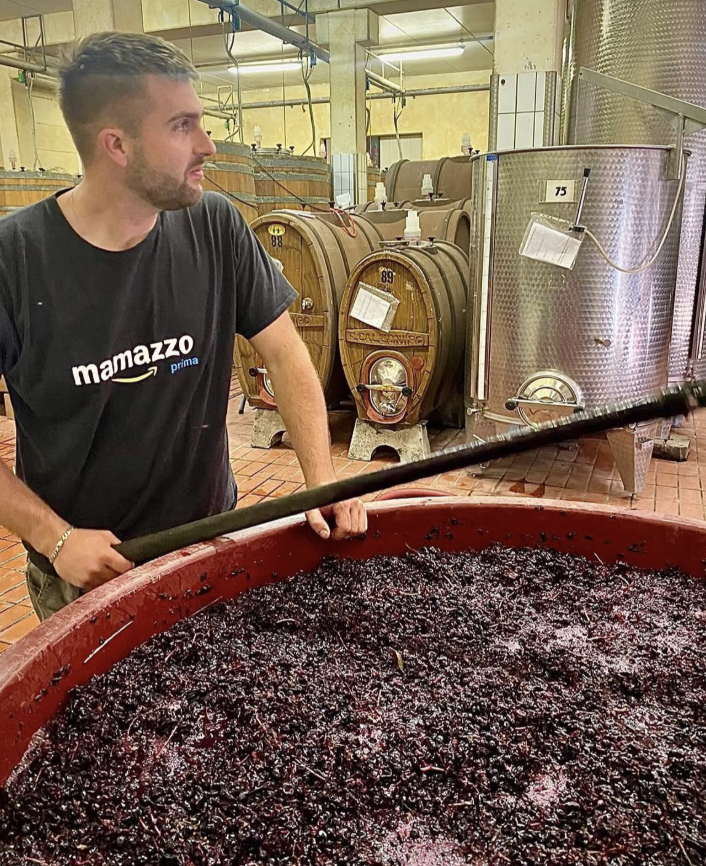
The grapes, cultivated with the greatest care and generally harvested from mid-September to mid-October, are selected parcel by parcel and immediately brought to the cantina. Fermentation is entirely natural using only native yeasts made in various steel vats and in truncated conical oak vats measuring 40 hl. Also occurring in these final containers, 10 in total, are the malolactic fermentation and aging processes.
In the cantina, all processes are simple and thorough, without any shortcuts or artificial measures. The aging of the wine follows the same rules: whether it occurs in steel, cement or wood, the process must bring out the fruit and the character of the land without overpowering it.